Tag: Dikat SDM

  • Pelatihan Cost Benefit Analysis

    Pelatihan Cost Benefit Analysis

    Pelatihan Manajemen AuditLearn a systematic, comprehensive approach to identifying and supporting effective decisions by evaluating and comparing all the relevant factors involved, both tangible and intangible. Explore the fundamentals of cost benefit analysis. Learn net benefits and how to calculate them; cost benefit ratio; the payback period and discounting.

    This course is designed for Managers, analysts, and other professionals who want to learn a systematic, comprehensive approach to identifying and supporting effective decisions by evaluating and comparing all the relevant factors involved, both tangible and intangible.

    OBJECTIVE

    * Use a simple weighting system to make a decision
    * Explain discounting
    * Differentiate between a cost and a negative benefit
    * Assess sunk costs versus future costs
    * Perform break-even analyses
    * Calculate direct and indirect costs/benefits
    * Distinguish between tangible and intangible benefits
    * Define and calculate simple and compound interest
    * Evaluate alternatives and select the best value option based on costs and benefits

    COURSE OUTLINE

    * Fundamentals of cost-benefit analysis
    * Net benefits and how to calculate them
    * Benefit-cost ratio
    * The payback period
    * Constraints on the choice of alternatives
    * Discounting
    * Sensitivity analysis
    * Types of costs
    * Measuring benefits
    * Present value analysis

    PARTICIPANT

    Managers, analysts, and other professionals who want to learn a systematic, comprehensive approach to identifying and supporting effective decisions by evaluating and comparing all the relevant factors involved, both tangible and intangible.

    METHOD

    Presentation

    Discussion

    Case Study

    Evaluation


    Instructor by :  Januar Eko Prasetyo,  SE

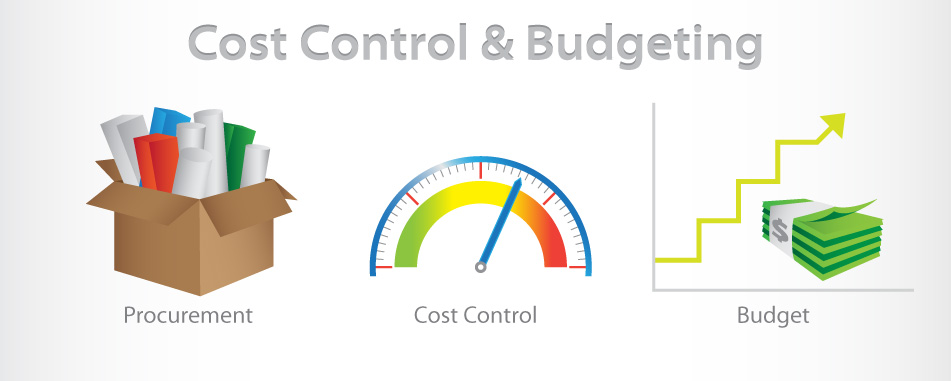
  • Budgeting Planning and Cost Control Training

    Budgeting Planning and Cost Control Training

    After completing the course, participants will be able to:
    * Provide the participant with an understanding of the essential elements of financial planning, costing, budgeting and project appraisal
    * Review of the concept and practice of budgeting and cost control

    COURSE OUTLINE

    1. Introduction to Budgeting, Accounting and Cash Flow Management

    * Types of Budget
    * Advantages and Disadvantages of Budgets
    * Budgeting Processes
    * Understanding Control Mechanisms

    2. Preparing Budget Forecasts

    * Collecting and Collating Information
    * Forecasting Revenues and Incomes
    * Forecasting Expenses

    3. Presenting Budget Forecasts

    * Budget Committees
    * Winning in Committee
    * Developing a Master Budget
    * Building in Control and Safeguards

    4. Monitoring Budgets

    * Monitoring Processes
    * Analyzing Income; Analyzing Expenditures
    * Ratio Analysis

    5. Controlling Budgets

    * Identifying Significant Variances
    * Boosting Revenues; Controlling Costs
    * Making Changes; Tool for Decision Making

    6. The Money Cycle in the Business

    * Sales Income; Fixed Assets
    * Fixed and Variable Costs
    * Management of Working Capital

    7. Constructing Budgets on Spreadsheets

    * Advantages of Spreadsheets
    * Logical Budget Models
    * Implementing Spreadsheet Models

    8. Getting Buy-In To Budgets

    * Getting Commitment at Budget Preparation
    * Agreeing and Committing to of Budget Targets
    * Human Aspects of Monitoring Budgets
    * Human Aspects of Control
    * Course Review
    * Course Evaluation

    9. Cost Management and Analysis

    * Cost Behavior
    * Break-Even Analysis
    * Contribution Analysis
    * Standard Costing and Variance Analysis
    * Cost Analysis
    * Analysis of Conventional and Problem
    * Layered Profitability Analysis
    * Using the Activity Analysis
    * The Dimensions of Customer
    * Difference between Customer and Product Analysis based on : Whether the Product can be Used Directly to Customers Indirectly and Vice Versa
    * Suitability of Various Cost Approach: Traditional and Activity Based
    * Cost Analysis in the New Environment the Current Manufacture
    * Volume Chain Analysis
    * Mini Cases

    10. Emerging Cost Management Techniques

    * Activity Based Management
    * Target Costing
    * Throughput Accounting
    * Relevant and Irrelevant Costs
    * Course Review and Evaluation

    METHOD

    Presentation

    Discussion

    Case Study

    Evaluation

  • Pelatihan Cost Benefit Program Outage Statement

    Pelatihan Cost Benefit Program Outage Statement

    Cost Benefit analysis (CBA) membantu dalam membuat keputusan secara strategis, apakah dengan mengeluarkan biaya yang efektif dengan risiko yang dapat di reduksi bisa dilakukan? Teknik Cost Benefit analysis (CBA) juga dapat digunakan untuk menyeimbangkan antara proyek dan cost yang dikeluarkan. Sehingga pada pelatihan ini peserta akan diberikan teknik-teknik dan cara-cara yang digunakan dalam mengelola biaya untuk perawatan overhoul, dan perencana proyek yang memiliki tingkat resiko yang tinggi.

    OBJECTIVE

    Setelah mengikuti pelatihan ini diharapkan peserta dapat memahami metode CBA, penguasaan teknis dan aplikasi secara menyeluruh baik untuk bagian perencanaan, perawatan, manajemen proyek maupun pekerjaan yang memiliki tingkat risiko yang tinggi

    COURSE OUTLINE

    * Principles of Cost Benefit Analysis
    * There Must Be a Common Unit of Measurement
    * Cost Benefit analysis (CBA) Valuations Should Represent Consumers or Producers Valuations As Revealed by Their Actual Behavior
    * Benefits Are Usually Measured by Market Choices
    * Gross Benefits of an Increase in Consumption is an Area Under the Demand Curve
    * Some Measurements of Benefits Require the Valuation of Human Life
    * The Analysis of a Project Should Involve a With Versus Without Comparison
    * Cost Benefit Analysis Involves a Particular Study Area
    * Double Counting of Benefits or Costs Must be Avoided
    * Decision Criteria for Projects
    * Case Study

    PARTICIPANT

    Manajer proyek, supervisor, karyawan yang terlibat langsung dengan perencanaan dan pengendalian proyek, maintenance dan lain-lain.

    METHOD

    Presentation

    Discussion

    Case Study

    Evaluation


    Instructor by : Januar Eko

  • Pelatihan Cost Control Management : Effective Cost Reduction Strategy

    Pelatihan Cost Control Management : Effective Cost Reduction Strategy

    Awal abad ke 21 ini, persaingan antar perusahaan semakin ketat. Sebab, liberalisasi, keterbukaan informasi dan revolusi teknologi membuat customer semakin mempunyai banyak pilihan terhadap produk yang dibutuhkannya. Kemampuan perusahaan untuk mengendalikan harga jual pun kini menjadi terbatas. Tidak lagi mudah bagi produsen mematok laba yang tinggi dengan menaikkan harga. Sebab harga yang tinggi membuat produk tersebut akan dijauhi oleh pembelinya. Pembeli akan lebih beralih ke produk yang berkualitas baik, namun berharga murah, serta mempunyai layanan purna jual cepat dan mudah.

    Ironisnya, dengan kondisi pasar yang semakin sulit ini, manajemen justru dituntut untuk meningkatkan laba perusahaan. Tidak ada pilihan lain, bahwa tuntutan itu hanya bisa dilakukan jika perusahaan mampu menurunkan biaya (cost reduction) dan menghilangkan proses-proses yang tidak memberikan nilai tambah.

    Namun, untuk sukses melakukannya tidaklah mudah. Dibutuhkan komitmen yang tinggi dari manajemen dan keterlibatan semua unsur dalam perusahaan. Tidak hanya bagian produksi, tapi juga bagian marketing, support produksi dan administrasi. Sehingga dalam konteks ini ego beberapa bagian yang merasa merekalah yang harus mendapatkan benefit tertinggi karena merasa paling berpengaruh bagi kelanjutan perusahaan menjadi tidak menemukan relevansinya.

    Di dalam pelatihan ini akan dibahas beberapa teknik Cost Reduction yang telah terbukti efektifitasnya tanpa pengorbanan quality, delevery, dan customer service.

    OBJECTIVES

    * Memahami filosofi konsep serta manfaat dari cost reduction
    * Memahami kondisi-kondisi yang dibutuhkan dalam penerapan cost reduction policy
    * Memahami metode-metode identifikasi non-added value proses, metode untuk peningkatan efektivitas dengan cost reduction
    * Mengetahui kendala-kendala dalam penerapan cost reduction
    * Mengetahui Best Practice dalam cost reduction
    * Teknik Melakukan Kontrol
    * Memahami bagaimana menyusun program pengurangan biaya strategis

    OUTLINE

    * Introduction
    * Basic Cost Concept Used In Business
    * Cost Control Management
    * Cash Management & Control
    * Cost Improvement and Performance Management
    * Activity Based Costing ( ABC ) Management
    * Budgeting, Cost Planning, Analysis and Control
    * Kegagalan-kegalan dalam penerapan Cost Reduction Program
    * Keberlanjutan Cost Reduction Program
    * Teknik Peningkatan Return On Investment ( ROI )
    * Konsep Value Engeineering
    * Just In Time System & Cost Reduction Strategy
    * Life Cycle Costing ( LCC ) Apprach in Asset Acquisition
    * Best practice dalam Cost Reduction

    METHOD

    Presentation

    Discussion

    Case Study

    Evaluation


    Instructor by : Mr. Januar Eko Prasetyo

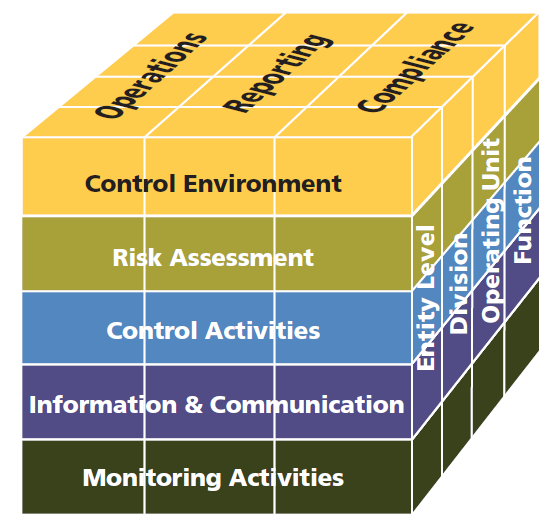
  • Pelatihan COSO 2013 : Implementing The Framework

    Pelatihan COSO 2013 : Implementing The Framework

    COSO adalah kerangka pengendalian internal yang pertama kali diperkenalkan pada tahun 1992. COSO telah diadopsi dan diimplementasikan di banyak organisasi dan negara. Pada tahun 2013, COSO mengeluarkan penyempurnaan atas kerangka pengendalian internal yang dikeluarkan pada tahun 1992. Terdapat perubahan yang signifikan antara COSO 2013 dengan COSO 1992. COSO 2013 memperjelas kriteria yang ada dan menambahkan 17 prinsip dan 81 atribut. Dengan berpedoman pada enam kerangka utama dan 17 prinsip, organisasi dapat mendesain, mengimplementasi, memelihara serta menilai kecukupan sistem pengendalian internalnya.

    Tujuan pelatihan ini adalah membantu auditor internal dalam penerapan kerangka pengendalian internal pada penugasan audit internal. Dengan penerapan kerangka pengendalian internal COSO 2013 ini, auditor internal dapat memberikan nilai tambah baik pada penugasan assurance. Pelatihan ini hanya membahas mengenai konsep kerangka pengendalian internal dan tidak membahas ICoFR

    MATERI

    1. Kerangka Pengendalian Internal Terintegrasi – COSO IC-IF
    2. Penilaian Risiko
    3. Lingkungan Pengendalian
    4. Aktifitas Pengendalian
    5. Informasi dan Komunikasi
    6. Aktifitas Pemantauan
    7. Penggunaan COSO Pengendalian Internal dalam Penugasan
    8. Penutup dan Kesimpulan

    TARGET PESERTA

    1.Pimpinan dan Staf

    * Divisi/Departemen Internal Audit
    * Divisi/Departemen Manajemen Risiko
    * Divisi/Departemen Kepatuhan
    * Divisi/Departemen GRC

    2. Fungsi-fungsi Assurance (Quality Assurance, HSE Assurance, Financial Controller, dll)

    3. Anggota Komite Audit

    4. Anggota Komite Manajemen Risiko

    METHOD

    Presentation

    Discussion

    Case Study

    Evaluation

  • Corrosion Testing and Management Methods Training

    Corrosion Testing and Management Methods Training

    A large amount of the unforeseen incidents that occur in process plants are related to corrosion and erosion, and corrosion management is therefore essential to maintain the integrity of the facility.

    As the requirements for improved productivity and cost effectiveness increase, combined with an increased attention to safety and environmental issues, activities related to corrosion management play an increasingly important role.

    Safe operation depends on preventing loss of containment, however cost savings are also obtained through managing critical parameters and activities related to corrosion and material degradation.

    Corrosion testing & monitoring techniques play a key role in efforts to combat corrosion, which can have major economic and safety implications. This course starts with a review of corrosion fundamentals and provides comprehensive analysis of a wide range of methods for corrosion testing & monitoring methods, including practical applications and case studies.

    To improve participants knowledge of corrosion of metal elements integrated in industrial equipment. On completion of the course, participants will know the main characteristics and types of corrosion encountered in the metal materials used in industrial equipment and facilities, be aware of the means of protection against such corrosion, know how to take the necessary measures for monitoring the state of corrosion of the equipment. This course will provide the participants with a thorough understanding of the basic principles and the practical applications of some simple yet powerful techniques in corrosion testing and monitoring

    OUTLINE

    * Basics of Corrosion Measurements
    * Risk Assessment
    * Inspection Management
    * Corrosion/Erosion Monitoring
    * Process Monitoring
    * Corrosion Testing and Monitoring Techniques
    * Chemical Treatment
    * Surface Protection
    * Cathodic Protection
    * Condition Evaluations / Failure Analysis
    * Recommendations of Corrective and Preventive Actions

    WHO SHOULD ATTEND

    Corrosion practitioners, researchers, designers, technical managers, inspection and maintenance engineers, quality control personnel and those involved in failure analysis to update their appreciation of modern techniques for corrosion testing and monitoring

    METODE

    Presentation

    Discussion

    Case Study

    Evaluation


    Instructor by : Marijo

  • Pelatihan Cost Control and Accounting untuk Kantin/Restorant

    Pelatihan Cost Control and Accounting untuk Kantin/Restorant

    Industri kantin dan restaurant meliputi aktifitas yang beragam mulai dari proses produksi hingga layanan, dan membutuhkan proses akuntansi yang juga beragam. Pelatihan ini akan membekali para peserta bagaimana melakukan pencatatan, penilaian dan pelaporan aktifitas kantin dan restaurant serta melakukan pengendalian secara efisien dan efektif.

    MANFAAT

    1. Memahami proses dan siklus akuntansi pada Kantin dan restaurant
    2. Memahami metode dan teknik pencatatan penjualan dan biaya pada masing-masing fungsi
    3. Menguasai teknik aplikatif dalam membangun budget dan planning sebagai alat pengendalian
    4. Menguasai teknik dalam mengontrol biaya dan kas
    5. Mengusai teknik mengontrol inventory, receivable dan payable
    6. Memahami bentuk laporan keuangan dan laporan menejerial
    7. Memahami bentuk-bentuk pajak terkait

    MATERI

    1. Ruang Lingkup Usaha kantin & Restaurant
    2. Proses dan Siklus Akuntansi Usaha kantin & Restaurant
    3. Pengakuan, Pencatatan dan Penyajian Transaksi Pendapatan atas Penjualan
    4. Budget dan Planning Sebagai Alat Control
    5. Pencatatan dan Perhitungan Biaya
    6. Cash dan Cost Control
    7. Inventory Accounting & Control
    8. Control Receivable dan Payable
    9. Pajak kantin dan Restaurant
    10. Analisa Kinerja dan Keuangan

    PESERTA

    Staf hingga manager accounting hotel dan restaurant serta bagian lain yang terkait dengan proses akuntansi

    METODE

    Presentation

    Discussion

    Case Study

    Evaluation

  • Cost Accounting dan Cost Control Training

    Cost Accounting dan Cost Control Training

    Pada pelatihan ini para peserta akan dibekali dengan pengetahuan bagaimana perlakuan akuntansi berdasarkan Standar Akuntansi Keuangan, perhitungan biaya serta teknik yang aplikatif dalam melakukan proses pengendalian terutama pengendalian biaya dengan pendekatan praktis dan operasional.

    COURSE OUTLINE

    1. Karateristik Industri
    2. Laporan Keuangan Perusahaan
    3. Neraca dan laba Rugi Comprehensive
    4. Pengakuan Biaya-Biaya Pra-operasional
    5. Penilaian Persediaan dan Biaya Produksi
    6. Persediaan
    7. Pelaporan dan Dokumen Pendukung Produksi
    8. Cost Control
    9. Aset Tetap, Depresiasi dan Amortisasi
    10. Pelaporan Segmen Industri
    11. Pengakuan Pendapatan ; Produk Utama
    12. Pajak Terkait

    PARTICIPANTS

    Manajer dan staff Keuangan, manajer operasional, akuntan serta individu yang ingin memperdalam materi training.

    METHOD

    Presentation

    Discussion

    Case Study

    Evaluation

  • Pelatihan Cost Advance Accounting

    Pelatihan Cost Advance Accounting

    Perusahaan dibentuk untuk meningkatkan nilai kepemilikan oleh karena itu, akan meingkatkan kesejahteraan pemegang saham. Di dalam perusahaan nilai diciptakan oleh berbagai kegiatan operasional yang prosesnya dapat diamati melalui perubahan posisi keuangan. Para manajer dan pengurus perusahaan harus mengarahkan konstruksi pos-pos keuangannya untuk mendapatkan efisiensi bagi peningkatan nilai sekaligus menunjukkan kepada para pemegang saham hasil prestasinya dalam meningkatkan kesejahteraan mereka.

    Pelatihan manajemen keuangan berseri ini, ditujukan untuk mereka yang ingin menambah nilai usaha dan keputusannya melalui penerapan prinsip-prinsip manajemen keuangan. Setiap sesi dirancang agar dapat dipelajari secara mandiri, sehingga memudahkan bagi mereka yang ingin mengambil sebagian-sebagian sesi.

    TUJUAN

    * Memahami bagaimana mengimplementasikan ABC-based product dan customer profitability analysis
    * Memahami teknik dalam mengalokasikan factory dan corporate overhead sehingga dapat mencegah prevent over- atau under-costing
    * Memahami teknik dalam melakukan capacity analysis
    * Mengevaluasi analisa varian untuk mengidentifikasi efisensi dan efektivitas

    SASARAN

    Finance & Accounting Staff, SBU Staff, Head Section

    MATERI

    1. The Business Environment

    * Modern Strategic, Tactical, dan Operational Aspects
    * Peran cost accounting
    * Cost information sebagai salah satu faktor dalam pengambilan keputusan
    * Menilai efektifitas cost reporting system dengan pendekatan Product/Decision Cycle

    2. Evaluating Companys Costing Techniques

    * Responsibility Accounting Process
    * Profit-Enhancement perspektif : Looking Beyond Cost Savings
    * Tantangan pada perusahaan dengan Multi-Product
    * Bagaimana cost accounting sebagai aspek sumber meningkatkan Value-Added

    3. Activity-Based Costing as an Effective Cost Accounting Tool

    * Theory of Activity-Based Costing (ABC)
    * ABC sebagai Forecasting Tool
    * Memahami Process dalam ABC
    * Identify the Products of a Specific Process
    * Project Cost as a Product Rather Than an Entity
    * Elements of Cost Including Activity, Resource, and Consumption Rates

    4. Developing Standards as a Tool for Valuation and Strategic Decision Support

    * Arti dan tujuan Standards
    * Standards in a Manufacturing Environment
    * Standards in a Service Environment
    * Standards for Tactical Planning: The Budget
    * Standards for Strategic Planning: The Business Plan

    5. Variance Analysis as a Process Improvement Tool: Analyzing the True Causes of Product Cost Variances

    * Teknik dan konsep dasar Variance Analysis
    * Material Price and Usage Variances
    * Material Mix and the Material Yield Variances
    * Labor Rate and Efficiency Variances
    * Labor Mix and Labor Yield Variances
    * Overhead Rate and Efficiency Variances
    * Sales Volume, Mix, and Price Variances

    6. Effective Determination of Joint- and By-Product Costs

    * Joint Products
    * By-Products
    * Split-Off Point
    * Separable Costs
    * Implikasi cost dari Joint Products
    * Teknik pengalokasian biaya pada Joint Product Costs
    * Cost Impact of By-Products
    * Cost Impact of Scrap and Waste

    7. Assigning Service Department Costs to Determine Total Product Cost

    * Menentukan Service Department Costs
    * Tujuan pengalokasian Service Department Costs
    * Strategic dan Tactical Decisions Supported dengan Allocation of Service Department Costs
    * Distribusi Service Department Costs dengan metode:
    * Direct Allocation Method
    * Step-Down Allocation Method
    * ABC Consumption Method

    8. Developing the Target Cost Model

    * Konsep dasar Target Costing
    * Aplikasi Target Costing
    * Profit Maximization
    * Capacity Utilization
    * Komponen Target Costing Model
    * Variable Costs (Product vs Process)
    * Fixed Costs (Product vs Process)
    * Konsep dasar Scarce Resources
    * Scarce Resource Analysis

    9. Transfer Pricing and Product Cost Determination

    * Implikasi pajak pada Transfer pricing
    * Implikasi product pricing

    10. Cash Flow and Cost Accounting

    * Cash is a King
    * Perbedaan konsep Cost dan Cash
    * Menentukan implikasi cash pada total cost production dan overhead
    * Payable dan Receivable Cycles
    * Inventory Level

    11. Capacity Analysis: Understanding the True Cost of Incremental Manufacturing

    * Konsep dasar Capacity Analysis
    * Impact of the Weighted Average Cost of Capital (WACC)
    * Capacity Analysis Model
    * Aplikasi Capacity Analysis Model pada :
    * Production Units

    12. Customer Profitability: The Key to Profit Enhancement

    * Konsep dasar Customer Profitability Analysis
    * Teknik membuat Customer Profitability Analysis Model
    * Informasi yang dibutuhkan pada Customer Profitability Analysis Model

    METODE

    Presentation

    Discussion

    Case Study

    Evaluation

  • Corrosion Engineering Training

    Corrosion Engineering Training

    Corrosion Engineering adalah sebuah posisi yang memiliki peran strategis dalam industri Migas. Ia bertugas memastikan semua alat proses di sebuah fasilitas pengeboran/pengolahan minyak tidak mengalami kegagalan fungsi akibat laju korosi yang tak terkendali, terlebih pada anjungan pengeboran minyak di lepas pantai yang berada di lingkungan berkadar garam tinggi.

    Secara umum Corrosion Engineer di perusahaan migas memiliki tugas sbb :
    * Membuat program monitoring dan mitigasi korosi (Cathodic Protection survey, X-tree Inspection, Corrosion Coupon Exchanges)
    * Membuat program monitoring dan mitigasi korosi (Cathodic Protection survey, X-tree Inspection, Corrosion Coupon Exchanges)
    * Membuat program inhibisi korosi (Corrosion inhibitor aplication, coating dan material selection)
    * Membuat failure analysis untuk kegagalan peralatan dan pipa yang berhubungan dengan korosi baik internal maupun external korosi
    * Membuat program kerja rutin monitoring korosi dan chemical inhibitor
    * Survey proteksi katodik
    * Melakukan inspeksi korosi secara periodik pada peralatan produksi minyak dan gas bumi

    Saat ini, masih banyak perusahaan Migas yang kesulitan untuk mendapatkan Corrosion Engineer. Hal ini dikarenakan tidak banyak kampus di Indonesia yang memiliki jurusan yang mempelajari bidang korosi, yaitu Material Engineering. Selain itu, hingga kini belum ada institusi di Indonesia yang secara reguler mengadakan pelatihan korosi untuk tingkat engineer (baru tingkat Corrosion Inspector), sehingga pengetahuan anda dalam Corrosion Engineering akan memiliki nilai jual yang cukup tinggi.

    Training Corrosion Engineer adalah sebuah training yang disusun untuk memberi pengetahuan yang diperlukan untuk mengawali karir sebagai Corrosion Engineer di perusahaan Migas. Setelah senior, secara bertahap anda dapat menambah kompetensi dengan mengambil sertifikasi pada Asosiasi Korosi Internasional – NACE.

    COURSE OUTLINE

    1. Basic Theory

    * Basic Corrosion Mechanism
    * Corrosion in Oil & Gas Topside Facilities
    * Introduction of International Code/Standard (NACE – ASME – API – NORSOK)
    * Introduction of Corrosion Monitoring System
    * Introduction of Corrosion Inhibition System
    * CO2 Corrosion Rate Calculation – Theoretical

    2. Planning of Cathodic Protection System In Oil and Gas Facilities

    * Basic Theory of Cathodic Protection
    * Flowchart of Cathodic Protection Selection for Sacrificial Anodes & Impressed Current
    * Calculation of Impressed Current Cathodic Protection
    * Calculation of Sacrificial Anodes Cathodic Protection

    3. Planning Of Corrosion Monitoring System In Oil and Gas Plant

    * Flowchart of Corrosion Monitoring System Selection
    * Corrosion Coupon System
    + Reviews HMB-PFD-P&ID
    + Introduction of Corrosion Coupon Devices
    + Determination for location of Corrosion Coupon Monitoring
    + Schedule for Corrosion Coupon Exchange
    + Weight Loss Calculation for Corrosion Coupon & Actual Corrosion Rate
    + Corrosion Rate Anomaly in Coupon
    * Corrosion Probe System
    + Reviews HMB-PFD-P&ID
    + Introduction of Corrosion Probe System Devices
    + Determination for Location of Corrosion Probe Monitoring
    + Schedule for Corrosion Probe Exchange
    + Determination of Probe’s Corrosion Rate

    4. Planning Of Corrosion Mitigation System In Oil and Gas Plant

    * Flowchart of Corrosion mitigation System Selection
    * Chemical Inhibitor System

    + Reviews HMB-PFD-P&ID
    + Selection of Chemical Inhibitor
    + Calculation of Inhibitor Dosage
    + Calculation of Filling Schedule
    + Calculation of Pump Rate
    + Selection of Injection point for Chemical Inhibitor
    + Calculation of Efficiency & Availability for Chemical Inhibitor
    + Theoretical Calculation of Corrosion Rate for Chemical Inhibitor

    5. Simulasi Computer – Software Corrosion Engineering

    6. Failure Analysis – Case Study in Oil and Gas Company

    * Flowchart OF Failure Analysis – Case Study
    * Visual examination
    * Scanning Microscope Electron (SEM) Examination
    * X-Ray Difraction (XRD) Examination
    * NDT Inspection Summary
    * Operation Data Overview
    * Calculation of CO2 Corrosion
    * Corrosion Coupon Data Verification
    * Cathodic Protection Reading Verification
    * Laboratory Testing
    * Calculation of Erotional Velocity API 14E
    * Calculation of Reynold Number
    * Chemical Injection Verification
    * Analysis of Root Cause
    * Conclusion & Recommendation

    METHOD

    Presentation

    Discussion

    Case Study

    Evaluation

  • Pelatihan Corrosion Control and Protection Technology

    Pelatihan Corrosion Control and Protection Technology


    Instructor by : Sugeng Isdwiyanudi


    COURSE OUTLINE

    A. Preliminary

    * Corrosion and cost created
    * Human factor to corrosion

    B. Types of Corrosion

    * Aqueous corrosion
    * Atmospheric corrosion
    * Water corrosion
    * Sea water corrosion
    * Soil corrosion
    * Concrete corrosion
    * Microbiology corrosion
    * High temperature corrosion
    * Galvanic corrosion
    * Stress corrosion

    C. Failure Caused by Corrosion

    * Failure modus
    * Investigation method of failure caused by corrosion
    * Failure prevention caused by corrosion

    D. Maintenance by Inspection and Monitoring

    * Inspection method
    * Non destructive inspection (NDI)
    * Smart sensing
    * Maintenance revolution
    * Monitoring and maintenance management

    E. Modeling, Life Time Prediction, and Computer – Application

    * Modeling and life time prediction
    * Artificial intelligence use
    * Computer-base training and coaching

    F. Corrosion Protection Method

    * Surface coating
    * Coating method
    * Surface preparation
    * Inhibitor injection
    * Inhibitor classification
    * Inhibitor protection mechanism
    * Inhibitor selection method
    * Catholic protection
    * Sacrificial anode
    * Impressed current
    * Underground piping cathode protection
    * Anode protection

    PARTICIPANT

    * Engineer and technologist in any discipline who wish to obtain a basic knowledge of his important subject
    * Managers, supervisors, sales and field personnel with scientific background in the construction, oil & gas, petrochemical, marine or any other industrial who wish to broaden their general corrosion knowledge
    * Maintenance engineers, supervisor, and production operation staff who involved in the field and plat operation
    * Everybody who wants to take benefits from this course

    METHOD

    Presentation

    Discussion

    Practice

    Case Study

    Evaluation

  • Pelatihan Inspeksi Korosi

    Pelatihan Inspeksi Korosi

    Untuk menghasilkan personal yang mampu memahami seluk-beluk terjadinya korosi, serta mampu menganalisis cara-cara penanggulangannya.
    MATERI

    1. Dasar dasar teori korosi
    2. Bentuk bentuk korosi
    3. Masalah Korosi
    4. Proses Korosi
    5. Pengendalian Korosi Technologies
    6. Pengawasan dan Pengendalian Korosi
    7. Sistem perlindungan Katodik
    8. Perencanaan Pengendalian Korosi
    9. Merancang Out Korosi
    10. Tren Masa Depan
    11. Pembuatan Management Korosi Rencana Aksi
    12. Pengetahuan terjadinya dan pencegahan korosi
    13. Pengujian dan inspeksi korosi
    14. Inspeksi korosi.

    METHOD

    Presentation

    Discussion

    Case Study

    Evaluation

  • Pelatihan Corrosion Control and Monitoring

    Pelatihan Corrosion Control and Monitoring

    This course focuses on corrosion from either internal or external source and its potential problem, and the protection methods to stop or control them. Review on corrosion and technique by which it can be identified, monitored and controlled will be given in detail. Active participation is encouraged through case studies and examples especially on the use of painting and coatings, transformer-rectifier of impressed current, magnesium, zinc and alum sacrificial anodes for external protection, and the injection of corrosion inhibitors and biocides for internal corrosion control.

    COURSE OUTLINE

    * Review of Oil & Gas Surface Production Facility and Operations
    * Review of Metallic Materials Used in Surface Production Facility and Pipelines and The Corrosion Problem Usually Happen
    * Case Studies and Examples of Oil & Gas Material Failure Caused by Corrosion from Internal and External Source
    * Uniform, Galvanic and Localized Corrosion Failures
    * Internal Corrosion of Pipeline, Vessel and Processing Equipment Caused by Sour Component, H2S, CO2, Organic Acid, Brine, and The SRB (Sulfate Reducing Bacteria)
    * External Corrosion of Underground, Underwater and Under-Seawater Pipeline and Structure Caused by Impurities in Soil and Water Environment
    * External Corrosion of Topside Structure Caused by Marine Atmosphere
    * Basic Electrochemistry of Corrosion Process, Ohm Law and The Corrosion Rate
    * Corrosion Control and Prevention with Painting & Coatings and The Cathodic Protection
    * Measurement of Corrosion Potential and Corrosion Current
    * Protection with Sacrificial Anode and Impressed Current
    * Understanding NACE Standard RP-01-69 to Stop External Corrosion Attack
    * Requirement, Design and Criteria of Cathodic Protection
    * Sacrificial Anode Specification, Installation and Construction
    * Testing, Monitoring, and Inspection of Cathodic Protection
    * Inspection and Maintenance of Transformer-Rectifier and Sacrificial Anode
    * Field Test, Measurement Techniques and Instrument
    * Data Recording and Evaluation of Cathodic Protection System
    * Case Studies of Corrosion Control and Prevention with Cathodic Protection
    * Internal Corrosion Problem in The Pipeline and Surface Facility
    * Oil/Gas/Water Fluid Properties and The Corrosion Tendency
    * Deterioration by H2S, CO2, and Acidic Corrosive Components
    * Pipeline Leakage and Rupture by Microbial Induced Corrosion
    * Corrosion Caused by SRB and The Pitting Mechanism
    * Corrosion Caused by Oxygen Penetration
    * Examples and Case Studies of Equipment Corrosion Damage and Pipeline Leakage
    * Understanding NACE Standard RP-0775 for Internal Corrosion Control and Monitoring
    * Practical Internal Corrosion Monitoring Methods
    * Access Fittings, Corrosion Coupon and Corrosion Probes
    * Practical Internal Corrosion Control and Prevention Methods
    * Internal Corrosion Control with Inhibitors and The Selection of Suitable Corrosion Inhibiting Chemicals
    * Dosage and Injection Methods of Corrosion Inhibitors
    * SRB Control with Biocides and The Selection of Suitable and Low Risk Biocide Formula
    * Dosage and Injection Methods of Biocides
    * Oxygen Control by De-Aeration and Chemical Injection, and The Selection of Suitable Oxygen Scavenger Chemicals
    * Dosage and Injection Methods of Oxygen Scavenger
    * Safety in The Use of Chemicals For Internal Corrosion Prevention
    * Review of Gas Dehydration Process and Operations
    * Internal Corrosion Problem in Glycol Contactor (Dehydration) Unit
    * Method And Materials Use To Control The Corrosiveness of Rich Glycol Solution
    * Review of Amine Sweetening Process and Operations
    * Internal Corrosion Problem in Amine Sweetening Unit
    * Method and Materials Use To Control The Corrosiveness of Rich Amine Solution
    * Examples and Case Studies of Internal Corrosion Control

    PARTICIPANT

    1. Anyone who needs to recognize corrosion and understand its devastating potential, especially as it relates to his or her area of responsibility, in oil and gas surface production facility and pipelines
    2. Anyone involved in combating and controlling corrosion from internal and external source
    3. Technicians and field operators and engineers of any discipline
    4. Onshore/Offshore facility and pipeline cathodic protection inspectors
    5. Onshore/Offshore structure painting and coating applicators and inspectors
    6. Amine sweetening, glycol dehydration and gas processing plant operators
    7. Beginners who interested in

    METHOD

    Pre test

    Presentation

    Discussion

    Case Study

    Post test

    Evaluation

  • Corrosion Control and Cathodic Protection Training

    Corrosion Control and Cathodic Protection Training

    Pelatihan Corrosion Control and Cathodic Protection ini ditujukan bagi Para praktisi yang menangani pekerjaan korosi dan proteksi katodik serta mereka yang terlibat atau berminat mendalami permasalahan korosi dan proteksi katodik. Teknologi pengendalian korosi harus dipelajari terutama oleh praktisi yang meliputi bidang-bidang : aspek ekonomi (hitungan), bidang disain (struktur lepas pantai, struktur bangunan, pengelasan dan penyambungan, peralatan dan instrumentasi), metode (proteksi katodik dan anodik, pelapisan, inhibasi, dan bahan non logam), kontrol (pengujian, inspeksi dan monitoring).

    Bila suatu logam sudah terkorosi, maka membutuhkan biaya yang sangat besar untuk memperbaikinya. Karena itu dengan memahami prinsip dasar ilmu korosi dan memiliki pengetahuan proteksi, maka korosi dapat diminimalisasi sehingga tidak terjadi kerugian yang lebih besar baik ditinjau dari segi biaya maupun terganggunya operasional peralatan.

    OBJECTIVE

    * Memahami prinsip dasar korosi dan pengendalian korosi
    * Mengetahui proses anodik, katodik dan proteksi katodik
    * Memahami aplikasi proteksi katodik pada berbagai bidang pekerjaan

    MATERI

    1. Dasar-dasar Korosi

    * Pengertian Korosi
    * Mengapa Logam Terkorosi
    * Aspek Ekonomi Dari Korosi
    * Jenis-jenis Korosi

    2. Contoh-contoh Kasus Korosi

    3. Korosi Pipa Saluran Minyak dan Gas serta Prinsip Pengendaliannya

    4. Prinsip Proteksi Katodik

    * Proteksi Katodik
    * Potensial Proteksi
    * Kriteria Proteksi Katodik
    * Sumber Arus Proteksi
    * Sistem Anoda Korban

    5. Aplikasi Proteksi Katodik

    * Struktur Yang Dapat Diproteksi Katodik
    * Sistem Anoda Korban & Arus Tanding
    * Keperluan Arus Proteksi
    * Rancang Bangun Proteksi Katodik
    * Contoh Rancang Bangun

    METHOD

    Presentation

    Discussion

    Case Study

    Evaluation

  • Corrosion and Scaling Prevention Training

    Corrosion and Scaling Prevention Training

    By attending this course, participants are able to broaden or reshape their knowledge on the related subjects of his or her area of responsibility, learn more detail about corrosion and scaling mechanism, know more how to prevent corrosion and scaling, understand how to select and use chemicals, discuss and consult their specific problems they are about to bring to the class, and share experiences with others.

    After completion of this course, participants will understand what corrosion and scaling are and their fantastic devastating potential, why and how they begin, how to detect, predict and monitor their growth, and how to control and prevent these big and serious problems. Participants will know whether or not corrosion and scaling happen in particular oil & gas field and what to do to anticipate the risks.

    This course is designed as an effective practical shortcut to understand oil & gas field corrosion and scaling prevention, for either corrosion engineers or non corrosion engineering personnel who involve in oil & gas operations and maintenance, pipeline and asset integrity management, pipeline inspection and pigging, material purchasing, chemical selection and injection, produced water handling, hazard and HSE management, and any corrosion and scaling prevention related business activity.

    The course content and approach are designed to suit participants of different background and different position in the company. It will be delivered as a to-the point explanation by a professional instructor, utilizing an easy-to understand examples and illustrations, especially the actual findings in Indonesia.

    OBJECTIVES

    * Reservoir and Wellhead Downstream Fluid Characteristics
    * Down Hole and Wellhead Pressure and Temperature
    * H2S, CO2, and Acidic Impurities Components
    * Sour Corrosion and Microbial Induced Corrosion
    * Equipment and Pipeline Leakage and Rupture by Corrosion
    * Fluid Properties and the Scaling Tendency
    * Equipment and Pipeline Plugging by Scaling
    * Corrosion Monitoring and Scale Prediction
    * Corrosion Control and Scale Prevention Methods

    MATERI

    * Oil, Condensate, Gas, and Water In Reservoir
    * Reservoir Fluid and The Hydrocarbon PVT Diagram
    * Down Hole To Wellhead Pressure and Temperature Change
    * Corrosion and Scale in Tubing and Wellhead Downstream
    * Corrosion and Scale in Produced Water Re-Injection System and The Injection Well
    * Corrosion and Scale in Sea Water Injection System
    * Characteristics of Produced Water and The Ionic Balance
    * The Role of H2S, CO2 and Acidic Impurities in The Surface Fluid
    * Nature of H2S Corrosion, Pitting and Stress Corrosion Cracking
    * Nature of CO2 Corrosion and Calcium Carbonate Scaling
    * Calcium, Barium and Strontium Scales Problems
    * Carbonate, Sulfate and Silicate Scales Problems
    * Sour Corrosion and Top of Line Corrosion Problems
    * Microbial Induced Corrosion Mechanism and Its Related Problems
    * Corrosion Caused by SRB and The Pitting Mechanism
    * Corrosion Caused by Oxygen Penetration
    * Examples of Corrosion Damage and Pipeline Leakage
    * Examples of Scale Problems and Pipeline Plugging
    * Calculation of Ionic Balance and Corrosion and Scaling Indexes
    * Prediction of Corrosion and Scale Tendency
    * Corrosion Monitoring Methods in Oil & Gas Field
    * Scale Monitoring Methods in Oil & Gas Field
    * Oil & Gas Filed Corrosion and Scaling Prevention Methods
    * Corrosion Control With Inhibitors and The Selection of Suitable Corrosion Inhibiting Chemicals
    * Dosage and Injection Methods of Corrosion Inhibitors
    * Scale Control With Inhibitors and The Selection of Suitable Scale Inhibiting Chemicals
    * Dosage and Injection Methods of Scale Inhibitors
    * SRB Control With Biocides and The Selection of Suitable and Low Risk Biocide Formula
    * Dosage and Injection Methods of Biocides
    * Oxygen Control by De-Aeration and Chemical Injection and The Selection of Suitable Oxygen Scavenger
    * Dosage and Injection Methods of Oxygen Scavenger
    * Safety in Oil & Gas Corrosion and Scaling Prevention
    * Case Studies in Tubing and Wellhead Downstream
    * Case Studies in Produced Water Re-Injection
    * Case Studies in Sea Water Injection System

    METHOD

    Presentation

    Discussion

    Case Study

    Evaluation